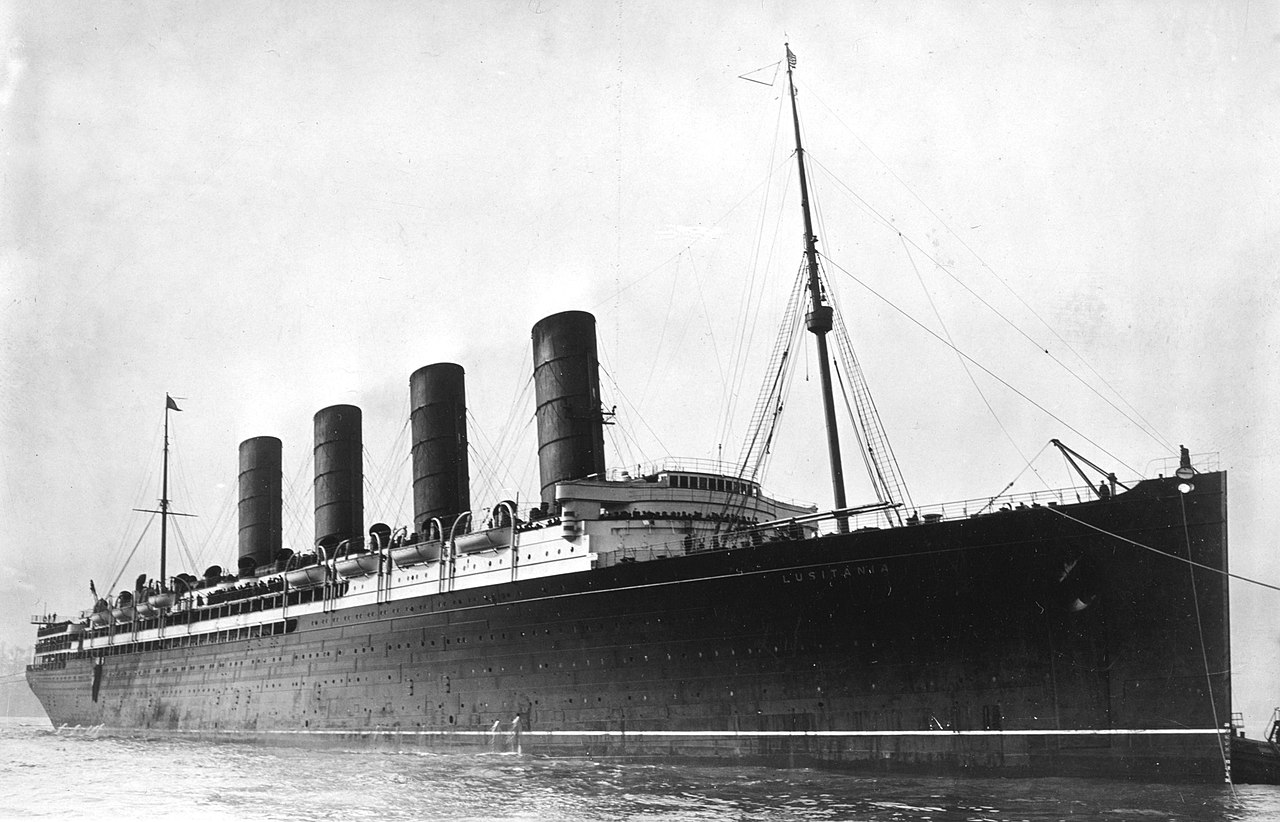
Sunken Vessels: Ships, Sailing Boats, and Underwater Finds
The ocean's depths hold an undeniable allure, a vast, mysterious frontier concealing untold stories beneath its shimmering surface. For millennia, vessels of all shapes and sizes have succumbed to its power, resting silently on the seabed as enduring testaments to human ambition, trade, conflict, and misfortune. These sunken ships, from majestic ancient galleons to humble modern sunken sailing-boats, represent more than just lost property; they are time capsules, archaeological wonders, and sometimes, sources of incredible treasure. The quest to locate and understand these submerged remnants often begins with a significant challenge: the precise whereabouts of a sunken boat uncertain, sparking a global fascination with marine archaeology and underwater exploration.
Decoding the Depths: What "Sunken" Truly Means
At its core, the adjective "sunken" describes something that has gone to the bottom of a body of water, settling on the seabed of a sea, ocean, or lake. It denotes a state of permanent submersion, distinguishing it from an object merely floating or partially submerged. When we speak of a sunken ship or a sunken sailing-boat, we're referring to a vessel that has completed its descent and now rests as a fixed part of the underwater landscape. It signifies not just an event, but a persistent condition, often lasting for centuries.
This enduring state is what makes Decoding 'Sunken': What It Means for Ships and Boats so fascinating. A vessel that is "sunken" has typically experienced a catastrophic event – a storm, a battle, a collision, or an accident – that led to its ultimate demise beneath the waves. The term itself is deeply rooted in the English language, tracing its origins back to the Middle English period. It was formed by conversion from the verb "sink," with its earliest known use documented in 1489 by John Barbour. For a deeper dive into its linguistic journey, explore Tracing 'Sunken': Etymology from Middle English 'Sink'. Despite its specific meaning, "sunken" is a relatively common adjective, appearing about two times per million words in modern written English, underscoring its relevance in describing the underwater world.
The Allure of Underwater Finds: History, Mystery, and Riches
The human imagination has long been captivated by the prospect of lost worlds and hidden riches. The phrase "diving for sunken treasure" conjures images of gold doubloons, ancient artifacts, and forgotten jewels, but the true value of sunken vessels extends far beyond monetary gain. Each submerged wreck, whether it's an ancient trading vessel or a recent recreational sunken sailing-boat, represents a unique historical snapshot, offering invaluable insights into past civilizations, maritime technology, trade routes, conflicts, and daily life.
These underwater finds are veritable time capsules, often preserving artifacts that would have long disintegrated on land. From pottery and personal effects to weaponry and even organic materials, the anoxic conditions of the deep can halt the march of decay, leaving a pristine record for archaeologists to decipher. For researchers, a sunken boat is a sealed environment, providing a cross-section of a specific moment in history. The stories they tell are profound, detailing everything from the sophistication of shipbuilding techniques to the often tragic human element of their final voyage. Moreover, these wrecks frequently become thriving artificial reefs, providing habitat and sustenance for diverse marine ecosystems, adding an ecological layer to their historical significance. The prospect of uncovering such a site, where the precise location of a historically significant sunken boat uncertain for centuries, fuels generations of explorers and researchers alike.
The Quest for the Lost: Finding and Identifying Sunken Vessels
The ocean is vast and unforgiving, making the discovery of a sunken vessel an extraordinary feat of endurance, technology, and often, sheer luck. The journey to locate a sunken boat is almost always fraught with uncertainty. Initial clues might come from historical documents, fishermen's tales, or vague sonar readings. However, transforming these fragments of information into a verified find requires sophisticated tools and meticulous effort.
Advanced Technologies in Underwater Discovery
Modern marine archaeology relies heavily on cutting-edge technology:
- Sonar Systems: Side-scan and multibeam sonar are crucial for mapping the seabed, detecting anomalies that could indicate a wreck. They paint acoustic pictures of the ocean floor, revealing subtle changes in topography.
- Magnetometers: These devices detect distortions in the Earth's magnetic field caused by ferrous metals, such as iron in ship hulls or cannons, making them invaluable for locating metallic wrecks.
- Remotely Operated Vehicles (ROVs) and Autonomous Underwater Vehicles (AUVs): Equipped with cameras, lights, and manipulators, these robotic explorers can dive to extreme depths, visually inspect potential sites, and even retrieve artifacts without risking human divers.
- Historical Research: Meticulous study of archives, shipping manifests, and even old newspaper reports can narrow down search areas, turning an initially sunken boat uncertain in location into a targeted expedition.
Overcoming the Uncertainty: From Anomaly to Identification
Even with advanced technology, the process from detection to positive identification is lengthy and complex. An initial sonar blip might suggest a wreck, but confirmation requires visual inspection, often at great depths and in challenging conditions. The identity of a sunken boat can remain uncertain for years, sometimes decades. Was it a merchant vessel? A fishing trawler? A luxury yacht? The clues can be sparse, hidden by sediment, or obscured by marine growth. Archaeologists meticulously examine every detail: the ship's construction materials, the design of its hull, any remaining cargo, personal effects, or identifying markings like bells or plaques. Coinage found onboard can pinpoint a vessel's last known voyage, while specialized equipment might reveal its purpose or origin. This painstaking work transforms an anonymous underwater structure into a vessel with a name, a crew, and a story.
For divers interested in exploring known wreck sites, it's paramount to prioritize safety, undertake proper training, and always respect the historical and ecological significance of these underwater treasures. Always dive with certified professionals and adhere to local regulations concerning wreck exploration.
From Ancient Galleons to Modern Sailing Boats: A Diverse Underwater Landscape
The category of "sunken vessels" is incredibly diverse. It includes:
- Ancient Ships: Phoenician trade vessels, Roman galleys, and Viking longships, often providing the only archaeological evidence of early maritime activity.
- Exploration and Colonial Era Ships: Vessels from the Age of Discovery, such as the ships of Columbus or Magellan, that expanded global horizons.
- Warships: From medieval carracks to mighty battleships and submarines from the World Wars, these offer grim but invaluable insights into naval history and technology.
- Merchant Vessels: A vast array of cargo ships, steamers, and freighters that underpinned global trade, often laden with everyday goods, providing a glimpse into economic history.
- Recreational Vessels: Even relatively modern private sunken sailing-boats and yachts contribute to the underwater landscape, often telling personal tales of adventure or tragedy.
Each type offers unique insights, proving that even a seemingly insignificant sunken sailing-boat can possess a powerful narrative for those willing to uncover it.
Preservation, Ethics, and the Future of Underwater Archaeology
The discovery of a sunken vessel often sparks complex ethical and legal debates. The value of these finds — historical, scientific, and sometimes commercial — necessitates careful consideration of their future. International conventions, such as the UNESCO Convention on the Protection of the Underwater Cultural Heritage, aim to protect these sites from unregulated salvage and ensure their preservation for future generations.
The debate over how to best manage a newly discovered sunken boat, especially when its origins or ownership remain uncertain, is complex and ongoing. Should wrecks be left in situ (in place) for ecological and historical preservation, or should artifacts be recovered for study and display? The rise of advanced technology not only aids discovery but also presents challenges in preventing looting and damage. Future underwater archaeology will increasingly focus on non-intrusive survey methods, digital documentation, and collaborative international efforts to protect these shared cultural heritage sites. The goal is to balance the thrill of discovery with the responsibility of stewardship, ensuring that the stories of these silent sentinels of the deep are told, understood, and preserved.
The world beneath the waves remains an endless source of fascination, mystery, and historical wealth. Every sunken boat, from the grandest battleship to the smallest sunken sailing-boat, carries with it a piece of our shared past, patiently waiting to be discovered. While the location or full story of a sunken boat may initially be uncertain, the relentless pursuit of knowledge by marine archaeologists and enthusiasts continues to illuminate these forgotten narratives. The deep continues to guard its secrets, promising more astounding finds for those brave and patient enough to seek them. For a more technical look at the definition and impact of a vessel being submerged, refer to Decoding 'Sunken': What It Means for Ships and Boats.